The Power of Sensory Play in Infant Development
August 30, 2026
By Sruthi Pillai (Child Psychologist)
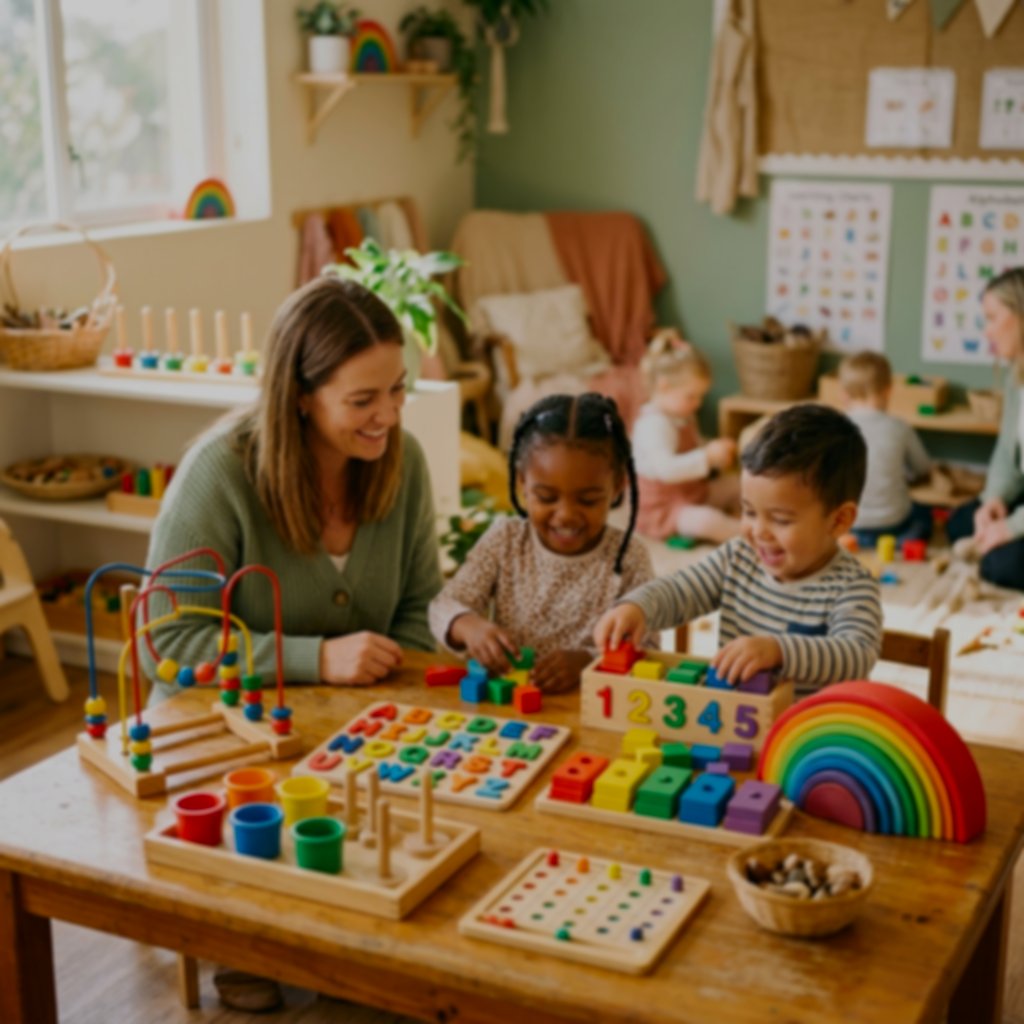
### Sensory Exploration and Cognitive Milestones
From the moment they are born, infants use their senses—touch, taste, sight, smell, and hearing—to navigate and make sense of the world around them. Sensory play includes any activity that stimulates these senses and encourages kids to explore, investigate, and create.
Research shows that sensory play builds nerve connections in the brain's pathways, which leads to a child's ability to complete more complex learning tasks. It supports language development, cognitive growth, motor skills, social interaction, and problem-solving.
#### Why Sensory Play Matters:
1. **Brain Development**: Actively using senses helps build and strengthen synapses in the brain, supporting memory and neural plasticity.
2. **Fine & Gross Motor Skills**: Pouring, scooping, pinching, and splashing strengthen small hand muscles, preparing infants for writing and self-feeding later.
3. **Emotional Regulation**: Engaging with sensory materials like water, sand, or safe molding clay has a calming, grounding effect on overstimulated infants.
#### How to Structure Sensory Play at Home:
* **Sensory Bins**: Fill a low tub with dry rice, lentils, or water, and drop in spoons, cups, and hidden plastic toys for them to search for.
* **Textured Books & Panels**: Provide fabrics of varying textures (silk, corduroy, sandpaper, bubble wrap) for baby to touch and compare.
* **Messy Play**: Allow supervised finger painting with edible fruit purées or yogurt tinted with natural vegetable dyes.